
Dry Needling & Cupping
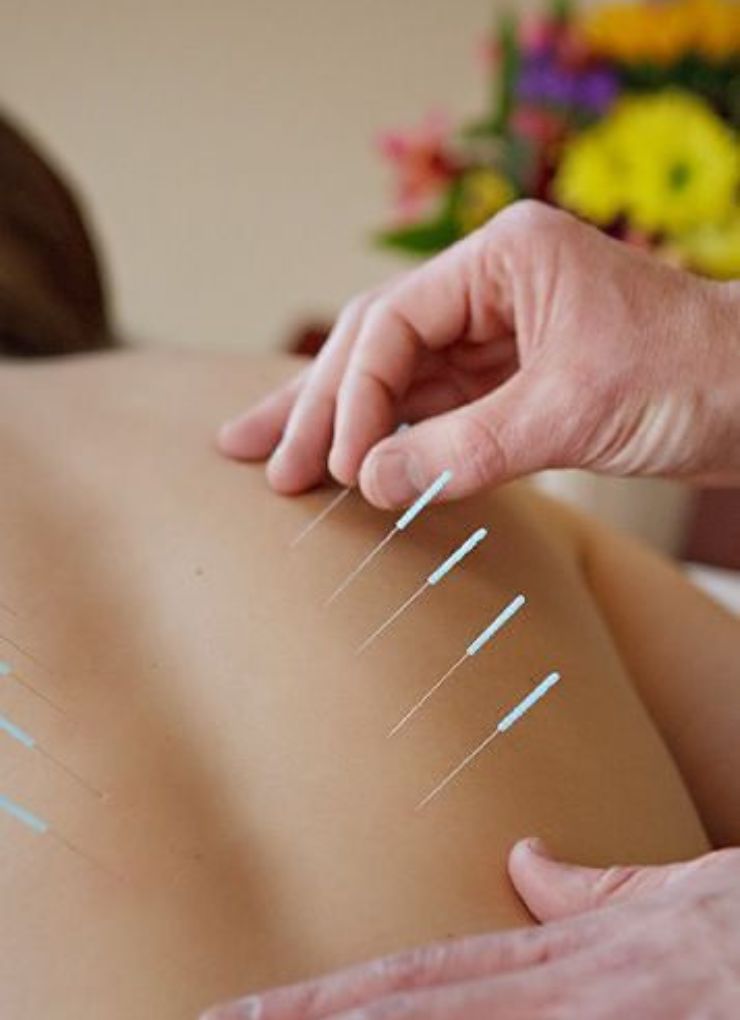
Dry needling is a therapeutic technique used by physical therapists to treat muscle pain and dysfunction. It involves inserting thin, sterile needles into trigger points (tight knots of muscle) or specific areas of muscle tissue. The goal is to release muscle tension, improve blood flow, and reduce pain.
Cupping therapy involves placing heated glass or silicone cups on the skin to create suction, which helps improve circulation, alleviate pain, reduce muscle tension, and promote healing. It’s often used for conditions like back pain, headaches, and inflammation.
For the best care, we recommend consulting our physiotherapist, who can assess your condition and design a personalized treatment plan tailored to your needs. Feel free to call or visit our clinic for more information or to schedule an appointment—we’re here to help you.
Therapy that fits your life
Helping you regain strength, improve mobility, and live pain-free with expert care and tailored therapy.
Your partner in physical wellness.
Helping you regain strength, improve mobility, and live pain-free with expert care and tailored therapy.
Service Benefits
- dentify the root cause of pain
- Get a personalized treatment plan
- Experience hands-on therapy and exercises
- Prevent future injuries and improve mobility
- Achieve long-term pain relief safely
FAQ
Dry needling can be effective in treating conditions such as muscle pain, tension headaches, back pain, neck pain, sciatica, and other musculoskeletal disorders. It is often used for myofascial pain syndrome, where tight muscle knots (trigger points) cause pain.
Dry needling is generally considered safe when performed by trained healthcare professionals. However, like any treatment, there may be some risks, such as minor soreness, bruising, or, in rare cases, more serious complications. It’s important to discuss any concerns with your therapist beforehand to ensure the treatment is suitable for your condition.
Most people report only mild discomfort during the procedure. The sensation may include a small pinch, a brief cramping feeling, or a twitch in the muscle. Afterward, some individuals may experience soreness similar to the feeling after a workout, but this typically resolves within a day or two.
Need Help ?
Don’t hesitate—your health is our priority.
Our caring team is here to understand your concerns and guide you toward a pain-free, healthier, and happier life.
Book by Phone
+91 98914 95618 | +91 99584 92034